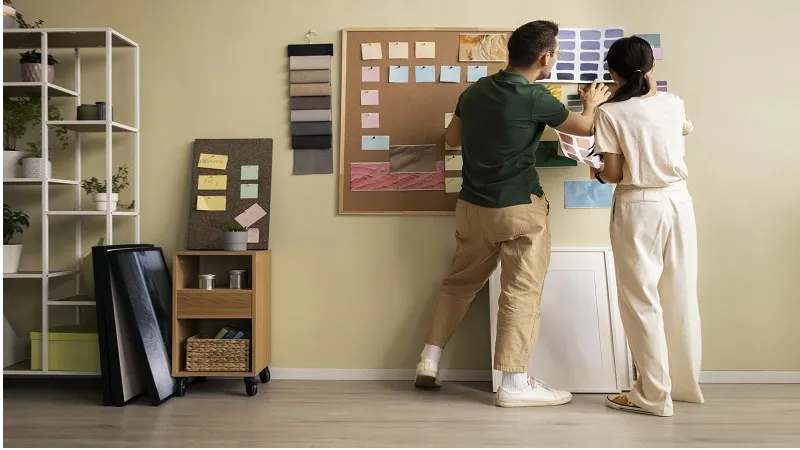
A home is more than just a place to live. It is where people relax, work, spend time with family, welcome guests, and create lasting memories. Because lifestyles and personal preferences change over time, homes often need thoughtful improvements to remain comfortable, practical, and visually appealing. This is where upgrades decoradhouse can provide useful inspiration for homeowners who want to refresh their living spaces without completely changing their homes.
Home upgrades do not always require expensive renovations. Small improvements, carefully selected furniture, better lighting, organized storage, updated colors, and decorative details can make a significant difference. Whether you own a large house, a small apartment, or a family home, the right upgrades can improve both appearance and functionality.
In this guide, we explore practical ideas inspired by upgrades decoradhouse, covering everything from living rooms and bedrooms to kitchens, bathrooms, outdoor areas, lighting, storage, and sustainable improvements.
What Does Upgrades Decoradhouse Mean?
The idea behind upgrades decoradhouse is centered on improving a home’s overall design, comfort, and functionality through carefully planned changes. Instead of focusing only on decoration, a successful home upgrade considers how each room is used and how design can make everyday life easier.
An upgrade could be as simple as replacing outdated curtains or adding new cushions. It could also involve larger improvements such as updating kitchen cabinets, installing modern lighting, replacing flooring, or creating a more efficient storage system.
The most important principle is balance. A beautiful room should also be comfortable and useful. Likewise, a practical space can still have personality and style.
1. Refresh Your Living Room
The living room is often the central gathering area of a home, making it one of the best places to begin a decorating upgrade.
Start by examining your current furniture arrangement. Sometimes a room feels outdated not because the furniture is old, but because everything is positioned against the walls or the space lacks a clear focal point.
Try creating a conversational seating arrangement. Position sofas and chairs so people can comfortably interact with one another. A coffee table can anchor the seating area while a rug can visually define the space.
You can also refresh the room with accessories. New cushions, throws, artwork, plants, and decorative objects can introduce a completely different atmosphere without requiring a major renovation.
For a modern appearance, consider combining neutral furniture with a few stronger accent colors. If you prefer a warm and traditional look, use natural materials, textured fabrics, and warm lighting.
2. Upgrade Your Lighting
Lighting is one of the most powerful tools for changing the appearance of a room. A space with poor lighting can feel small, dull, or uncomfortable, while a well-lit room can appear brighter and more inviting.
A good lighting plan usually includes several layers.
Ambient Lighting
Ambient lighting provides general illumination throughout a room. Ceiling fixtures, chandeliers, and recessed lights are common examples.
Task Lighting
Task lighting helps with specific activities such as reading, cooking, studying, or working. Desk lamps, under-cabinet lights, and reading lamps are useful options.
Accent Lighting
Accent lighting draws attention to decorative features. You can use it to highlight artwork, shelving, architectural details, or indoor plants.
Following the upgrades decoradhouse approach, consider using different lighting sources rather than depending on a single ceiling fixture. Layered lighting gives you more control over the atmosphere of each room.
3. Give Your Walls a New Look
Walls occupy a large amount of visual space, so updating them can dramatically change a room.
Painting is one of the easiest options. Soft neutrals can create a calm environment, while deeper shades can add character and drama. You do not necessarily need to paint every wall. An accent wall can create visual interest while keeping the rest of the room simple.
Wallpaper is another option for homeowners who want patterns or texture. Modern wallpaper comes in many styles, from subtle geometric designs to botanical patterns.
Artwork can also transform empty walls. Instead of placing one small picture in the center of a large wall, consider creating a gallery arrangement using several complementary pieces.
Mirrors are particularly useful in smaller rooms because they can reflect light and create a greater sense of openness.
4. Improve Your Kitchen
The kitchen is one of the most frequently used areas in a home, so functional upgrades can have a major impact.
If a complete kitchen renovation is outside your budget, focus on smaller improvements first.
Cabinet hardware can be replaced relatively easily and can instantly give cabinets a refreshed appearance. New handles and knobs in a coordinated finish can make older cabinetry feel more contemporary.
Another useful improvement is better organization. Pull-out shelves, drawer organizers, spice racks, and vertical storage can help make better use of available space.
Lighting under cabinets can also improve the kitchen. It provides useful illumination for food preparation while creating a modern atmosphere.
If you have more room in your budget, consider updating the countertop, backsplash, flooring, or appliances.
5. Create a More Comfortable Bedroom
Your bedroom should be a relaxing retreat. One of the best ways to upgrade it is to focus on comfort before decoration.
Start with the bed. High-quality bedding, supportive pillows, and a comfortable mattress can make the room feel significantly better.
Next, consider the color scheme. Soft and calming colors can encourage relaxation. Avoid overcrowding the room with unnecessary furniture or decorations.
Bedside lighting is another useful improvement. Instead of relying only on the main ceiling light, use bedside lamps or wall-mounted fixtures.
Curtains and rugs can add softness and warmth. Natural textures such as cotton, linen, wood, and woven materials can create a comfortable atmosphere.
The goal of upgrades decoradhouse is not simply to make a bedroom look attractive. It should also make the space feel peaceful and easy to use.
6. Upgrade Your Bathroom
Bathrooms can often benefit from relatively small improvements.
Replacing old faucets, shower fixtures, cabinet handles, mirrors, or light fixtures can make a noticeable difference. If the existing vanity is in good condition, repainting or refinishing it may be enough to give it a fresh appearance.
Storage is particularly important in bathrooms. Floating shelves, wall-mounted cabinets, baskets, and drawer organizers can help keep personal items organized.
A large mirror can make a smaller bathroom appear more spacious. Good lighting around the mirror is also important for everyday tasks.
For a spa-inspired atmosphere, consider adding soft towels, natural materials, simple accessories, and plants that can tolerate bathroom conditions.
7. Add Smart Storage Solutions
Clutter can make even a beautifully decorated home feel uncomfortable. Smart storage should therefore be an important part of any home improvement plan.
Look for unused areas that could provide additional storage. The space beneath beds, stairs, sofas, and cabinets can often be used more efficiently.
Built-in shelving is another useful solution. It can provide storage while also creating an attractive display area.
Use baskets and containers to group smaller objects together. Labeling storage containers can make it easier to find things and maintain organization.
In smaller homes, multifunctional furniture can be especially valuable. Ottomans with hidden storage, beds with drawers, folding desks, and storage benches can provide functionality without taking up unnecessary space.
8. Bring Nature Indoors
Indoor plants are a simple way to introduce life and color into a home.
Plants can work in almost any room, including living rooms, bedrooms, kitchens, and home offices. Choose varieties that match the amount of natural light available.
If maintaining plants is difficult, low-maintenance varieties may be a better choice. Artificial plants can also provide decorative greenery where natural light is limited.
Natural materials can complement indoor plants. Wood, stone, rattan, bamboo, cotton, and linen can create a warm and organic appearance.
This connection with nature is an important element of many modern decorating approaches because it can make interiors feel more relaxed and welcoming.
9. Improve Your Home Office
With more people working or studying from home, a functional workspace has become increasingly important.
A home office does not necessarily require an entire room. A quiet corner can become an effective workspace with the right setup.
Choose a comfortable chair and desk with enough surface area for your daily activities. Position the desk near natural light when possible, but make sure screens do not create uncomfortable glare.
Cable management can make the workspace look cleaner. Use organizers or clips to keep wires under control.
Shelves can provide storage for books, documents, and office supplies while keeping the desk clear.
Decorate the area carefully. A plant, artwork, calendar, or a few personal items can make the workspace more enjoyable without creating unnecessary distractions.
10. Upgrade Your Flooring
Flooring has a major influence on a home’s overall appearance.
If replacing the entire floor is not practical, consider updating selected areas. A new rug can transform a living room or bedroom while also adding comfort.
When choosing flooring materials, think about durability, maintenance, appearance, and the needs of your household.
Hard flooring can create a clean and contemporary appearance, while carpet and rugs can provide warmth and softness.
The best choice depends on the room. Kitchens and bathrooms require materials that can handle moisture, while bedrooms may benefit from softer surfaces.
11. Improve Your Entryway
The entryway creates the first impression of your home. Even a small entrance can be upgraded with thoughtful details.
A console table can provide a convenient place for keys and everyday items. A mirror can make the area feel larger while providing a useful last-minute check before leaving the house.
Add a small bench if space permits. It can provide a place to sit while putting on shoes.
Hooks or wall-mounted storage can keep coats and bags organized.
Keep the entryway relatively uncluttered. A clean and organized entrance immediately makes the rest of the home feel more welcoming.
12. Make Outdoor Areas More Inviting
Home upgrades should not stop at the front door.
Balconies, patios, porches, and gardens can become valuable extensions of indoor living spaces.
Outdoor furniture can create a comfortable area for relaxing or entertaining. Add cushions, outdoor rugs, lighting, and plants to make the space feel intentional.
String lights or lantern-style fixtures can create a pleasant atmosphere in the evening.
If you have a garden, consider creating separate areas for seating, planting, and recreation. Even small outdoor spaces can become attractive with thoughtful planning.
13. Choose Sustainable Materials
Sustainability is becoming increasingly important in home design. When making upgrades, consider products and materials that are durable and designed to last.
Instead of replacing furniture simply because it looks outdated, consider repairing, repainting, or refinishing it.
Secondhand furniture can also add personality while reducing unnecessary waste. Vintage pieces can often become interesting focal points when combined with modern furnishings.
Energy-efficient lighting and appliances can reduce energy consumption over time.
Using natural materials and choosing durable products can also help create a home that remains attractive for many years.
14. Create a Consistent Design Style
One common decorating mistake is treating every room as completely separate. While rooms can have different personalities, some consistency helps the home feel connected.
Choose a general design direction. This might be modern, minimalist, traditional, rustic, contemporary, industrial, or eclectic.
You do not need to match everything perfectly. Instead, repeat certain elements throughout the home.
For example, you might use similar wood tones, metal finishes, accent colors, or fabrics across multiple rooms.
A consistent design language makes the home feel thoughtfully planned rather than randomly decorated.
15. Upgrade Your Home on a Budget
Not every home improvement project requires a large investment.
Start by identifying the areas that bother you most. Improving those areas first can provide the greatest impact.
Some affordable upgrades include:
- Repainting walls
- Changing cabinet hardware
- Adding decorative cushions
- Installing new curtains
- Rearranging furniture
- Adding mirrors
- Introducing plants
- Updating light fixtures
- Organizing storage
- Adding area rugs
- Refreshing artwork
- Repainting old furniture
The key is to prioritize changes that improve both appearance and everyday functionality.
16. Avoid Overdecorating
Adding too many decorative items can have the opposite effect of what you want.
A room needs breathing space. Instead of filling every shelf and wall, select a few pieces that have visual or personal importance.
Use the principle of quality over quantity. A beautiful artwork, interesting lamp, or unique piece of furniture can have more impact than dozens of small accessories.
Regularly remove items that no longer serve a purpose. Decluttering can make a room feel larger and more peaceful without costing anything.
17. Plan Before Starting Major Upgrades
Large home projects should always begin with planning.
Create a realistic budget and decide which improvements are essential and which are optional. Research materials and compare different options before making purchases.
Think about how the room will be used. A beautiful design that is difficult to maintain may not be practical for everyday life.
Measure spaces carefully before buying furniture. Many decorating problems occur because furniture is too large or too small for the room.
If electrical, structural, plumbing, roofing, or other specialized work is required, use appropriately qualified professionals rather than attempting complex work without the necessary expertise.
Conclusion
A successful home transformation does not depend on spending the most money. It depends on making thoughtful choices that improve comfort, functionality, organization, and personal style.
The principles behind upgrades decoradhouse encourage homeowners to look at their spaces differently. Instead of automatically replacing everything, consider what can be refreshed, reorganized, repaired, or redesigned.
From updating lighting and wall colors to improving storage, refreshing kitchens and bathrooms, creating comfortable bedrooms, and making outdoor areas more inviting, there are countless ways to improve a home.
The best upgrades are those that fit your lifestyle. A home should reflect the people who live there while remaining practical enough for everyday life. By planning carefully, choosing durable materials, avoiding unnecessary clutter, and focusing on meaningful improvements, you can create a space that feels both stylish and comfortable.
Whether you are planning a small weekend project or a larger renovation, start with one room and one improvement at a time. With patience and creativity, even simple changes can produce impressive results and help turn an ordinary house into a home you truly enjoy. Read More mydecoradhouse