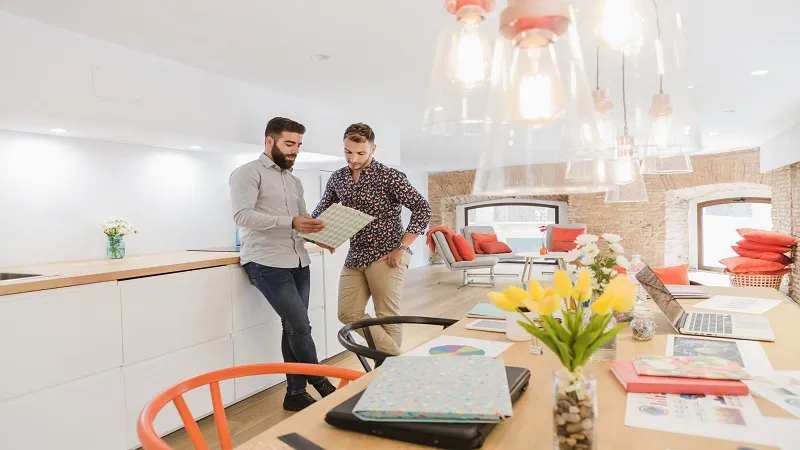
Home renovation is an exciting opportunity to improve your living space, increase comfort, and create an environment that reflects your personality. However, renovation projects can quickly become expensive or stressful without proper planning. Whether you are updating a single room or renovating your entire house, having a clear strategy can make the process easier and more successful.
These renovation tips decoradhouse ideas are designed to help homeowners plan practical improvements while maintaining style, comfort, and functionality. From setting a realistic budget to selecting materials, improving lighting, and organizing spaces, every decision can contribute to a better home.
1. Start With a Clear Renovation Plan
Before purchasing materials or hiring workers, determine exactly what you want to change. Go through each room and note the areas that need improvement.
Separate your renovation ideas into three categories:
- Essential repairs
- Functional improvements
- Decorative upgrades
For example, repairing damaged plumbing should usually take priority over purchasing decorative furniture. Similarly, fixing electrical problems is more important than changing wall colors.
A detailed plan helps you avoid unnecessary expenses and keeps the renovation focused. Write down the rooms you want to renovate, the improvements you expect to make, and the approximate amount you are prepared to spend.
2. Set a Realistic Budget
One of the most important renovation tips decoradhouse homeowners should follow is to establish a realistic budget before beginning work.
Renovation costs can include materials, labor, transportation, permits, tools, furniture, appliances, and unexpected repairs. Even a carefully planned project can encounter surprises.
Consider dividing your budget into different sections:
- Construction and repairs
- Flooring and walls
- Kitchen and bathroom improvements
- Lighting and electrical work
- Furniture
- Decorative accessories
- Emergency expenses
It is also wise to keep a reserve for unexpected costs. Hidden water damage, outdated wiring, structural problems, or damaged flooring may not become visible until renovation work begins.
3. Prioritize Function Before Decoration
Good design matters, but comfort and functionality are equally important. Before focusing on colors, decorations, or furniture, consider how each room is actually used.
Ask yourself questions such as:
- Is there enough storage?
- Is the furniture arranged efficiently?
- Does the room receive enough natural light?
- Are walking paths clear?
- Are electrical outlets conveniently located?
- Is the kitchen easy to work in?
A stylish room that is difficult to use will eventually become frustrating. Great renovation brings together attractive design and everyday practicality.
4. Renovate One Area at a Time
If your budget or schedule is limited, you do not necessarily need to renovate the entire house simultaneously.
Focus first on the part of your home that needs the most work. Completing one room before moving to another can make the project easier to manage.
For example, you could begin with:
- Kitchen
- Bathroom
- Living room
- Bedroom
- Outdoor areas
This approach allows you to control expenses and learn from each stage of the renovation.
5. Improve Natural Lighting
Using natural light can make a room look brighter, fresher, and more inviting. During renovation, look for ways to make better use of existing windows.
Avoid blocking windows with bulky furniture so sunlight can enter freely. Use light-colored curtains that allow sunlight to enter while still providing privacy.
Mirrors can help reflect natural sunlight around a room. Positioning a mirror near or across from a window can brighten the space and create a more spacious, airy feel.
If structural changes are possible, larger windows, skylights, or glass doors may provide even more natural illumination.
6. Upgrade Artificial Lighting
Lighting should not be treated as an afterthought. A successful renovation usually includes several types of lighting.
Ambient Lighting
This provides general illumination for the room. Ceiling lights, recessed lights, and chandeliers are common examples.
Task Lighting
Task lighting helps with specific activities. Under-cabinet lighting in the kitchen, desk lamps in an office, and reading lights beside a bed are useful examples.
Accent Lighting
Accent lighting draws attention to decorative elements like artwork, shelves, architectural features, and indoor plants.
Using different types of lighting together creates a warm, comfortable, and versatile atmosphere.
7. Choose Durable Flooring
Flooring receives considerable daily wear, so appearance should not be the only consideration.
Think about:
- Durability
- Maintenance
- Moisture resistance
- Comfort
- Cost
- Installation requirements
For high-traffic areas, durable flooring can be a smart long-term investment. Kitchens and bathrooms require materials that can handle moisture, while bedrooms may benefit from warmer and softer flooring options.
Choose flooring according to the needs of each room rather than using the same material everywhere.
8. Refresh the Walls
Updating your wall finishes is one of the simplest ways to give your home a fresh, modern look.
Paint is often an affordable renovation option, but color selection matters. Neutral colors can make rooms feel larger and provide flexibility when decorating. More dramatic colors can be used to create accent walls or highlight specific areas.
Wallpaper, textured finishes, wood panels, and decorative molding can also add character.
Before selecting a paint color, try it on a small part of the wall and check how it appears throughout the day, as changing light can affect its appearance.
9. Give the Kitchen a Practical Makeover
The kitchen plays an important role in everyday home life. While a full kitchen remodel can be costly, even small improvements can significantly enhance its appearance, functionality, and overall feel.
Consider replacing outdated cabinet handles, repainting cabinets, improving lighting, upgrading countertops, or adding a backsplash.
Storage is another major consideration. Use drawers, shelves, organizers, and vertical storage to make better use of available space.
When planning the kitchen layout, keep frequently used appliances and cooking areas conveniently positioned. A practical kitchen can make everyday tasks faster and more enjoyable.
10. Make the Bathroom More Comfortable
Bathrooms can benefit from both functional and decorative improvements.
Some renovation options include:
- Updating faucets
- Replacing old lighting
- Installing modern mirrors
- Improving ventilation
- Adding storage
- Updating shower fixtures
- Replacing damaged tiles
Waterproof materials should be prioritized in areas exposed to moisture. Proper ventilation is also essential because excessive humidity can contribute to mold and material damage.
Even small improvements can make an older bathroom feel cleaner and more modern.
11. Increase Storage Space
A renovation is an excellent opportunity to solve storage problems.
Built-in cabinets, floating shelves, storage benches, under-bed drawers, and tall cabinets can help maximize available space.
Instead of simply adding more furniture, consider whether existing areas can serve multiple purposes. For example, a bench can provide seating while also offering hidden storage.
Reducing clutter makes rooms look larger and creates a more organized environment.
12. Select Materials Carefully
Materials influence both the appearance and lifespan of a renovation. Cheap materials may reduce initial costs but could require replacement sooner.
Before purchasing materials, compare:
- Quality
- Price
- Durability
- Maintenance
- Availability
- Warranty
- Installation requirements
Do not automatically choose the most expensive option. The goal is to find materials that provide a good balance between quality and cost.
13. Reuse What You Can
Renovation does not always mean replacing everything.
Some existing items can be restored, repainted, repaired, or reused. Wooden furniture can often be refinished, cabinets can be repainted, and decorative objects can be moved to different rooms.
Reusing suitable items can reduce waste and save money.
It can also give your renovated home more personality because older pieces can add character that brand-new furniture sometimes lacks.
14. Create a Consistent Design Style
A home feels more connected when rooms share certain design elements.
You do not need every room to look identical. Instead, use repeating colors, materials, textures, or shapes.
For example, if your living room uses warm wood tones and neutral colors, similar tones can appear in the dining room or hallway.
A consistent design approach helps the entire home feel intentional rather than like a collection of unrelated spaces.
15. Don’t Ignore Doors and Hardware
Small details can have a surprisingly large impact.
Door handles, cabinet knobs, hinges, light switches, faucets, and other hardware may appear minor, but outdated hardware can make a renovated room feel incomplete.
Replacing these items can be relatively affordable compared with major construction work.
Choose finishes that complement the overall design instead of mixing too many unrelated styles.
16. Improve Energy Efficiency
Renovation provides an opportunity to reduce long-term energy consumption.
Consider improvements such as:
- Energy-efficient lighting
- Better insulation
- Efficient appliances
- Improved window sealing
- Smart thermostats
- Proper ventilation
These upgrades may require an initial investment but can improve comfort and potentially reduce operating costs over time.
Energy efficiency should be considered alongside appearance because a beautiful home should also be economical to maintain.
17. Pay Attention to Ventilation
Good ventilation is especially important in kitchens, bathrooms, laundry rooms, and other areas where moisture or odors accumulate.
During renovation, inspect existing ventilation systems and make improvements where necessary.
Proper airflow can help maintain indoor comfort and protect materials from excessive moisture.
Never sacrifice ventilation simply to achieve a particular decorative look.
18. Plan Furniture Placement Before Renovating
Furniture can influence renovation decisions more than many homeowners realize.
Before finalizing wall locations, electrical outlets, lighting positions, or built-in storage, consider where major furniture pieces will go.
Measure sofas, beds, dining tables, cabinets, and appliances before purchasing them.
Creating a simple floor plan can help identify potential problems before construction begins.
19. Add Greenery and Natural Elements
Plants can bring life and freshness to renovated spaces.
Indoor plants can be placed on shelves, windowsills, tables, or dedicated plant stands. Natural wood, stone, woven materials, and other organic textures can also make rooms feel warmer.
Choose plants according to the amount of light and maintenance you can provide.
If live plants are not practical, high-quality artificial greenery can provide a similar decorative effect without regular watering.
20. Don’t Follow Every Trend
Trends can provide inspiration, but your home should ultimately reflect your needs and preferences.
Some design trends may look attractive for a short period but become outdated quickly. Instead of making every major renovation decision around current trends, focus on timeless foundations.
Neutral walls, quality flooring, functional storage, good lighting, and durable fixtures can remain useful for many years.
Use trendy elements through accessories that are easier and less expensive to replace.
21. Work With Professionals When Necessary
Some renovation tasks require professional knowledge and should not be treated as simple DIY projects.
Electrical work, plumbing, structural modifications, roofing, gas systems, and major construction may require qualified professionals.
Hiring experienced workers can help ensure that important work is completed correctly and safely.
Before hiring someone, compare experience, references, pricing, timelines, and the exact scope of work.
22. Protect Your Home During Renovation
Construction can create dust, debris, noise, and accidental damage.
Protect furniture and belongings by covering or temporarily removing them. Seal areas where dust could spread and keep construction materials organized.
If you are living in the house during renovation, establish a safe route through the work area and keep children and pets away from construction zones.
Good preparation can reduce cleanup and prevent unnecessary damage.
23. Think About Long-Term Value
A renovation should not only look good immediately after completion. Consider how improvements will perform several years from now.
Ask whether materials will remain durable, whether the layout will continue to meet your needs, and whether maintenance will be manageable.
If you plan to sell the property eventually, practical improvements can also make the home more attractive to potential buyers.
However, avoid making expensive changes solely for resale unless they make sense for your circumstances.
24. Keep a Renovation Timeline
A timeline helps organize the project and makes it easier to identify delays.
Your schedule might include:
- Planning and measurements
- Budget confirmation
- Material selection
- Ordering supplies
- Demolition or preparation
- Electrical and plumbing work
- Construction
- Painting and flooring
- Furniture installation
- Final decoration and cleaning
Remember that renovation schedules can change because of material availability, weather, contractor schedules, or unexpected repairs. Leave some flexibility in your timeline.
25. Finish With Personal Details
The final stage of renovation should make the house feel like your home.
Add artwork, photographs, books, rugs, cushions, plants, and decorative objects that represent your personality.
Avoid filling every empty surface. A carefully selected collection of meaningful pieces usually looks better than excessive decoration.
The goal is to create a home that feels comfortable, welcoming, and genuinely yours.
Conclusion
A successful home renovation requires more than choosing attractive colors and furniture. It involves careful planning, realistic budgeting, practical layouts, quality materials, effective lighting, and attention to long-term comfort.
These renovation tips decoradhouse ideas can help homeowners approach renovation projects with greater confidence. Start by identifying your priorities, establish a budget, and focus on improvements that provide real value to everyday life.
Whether you are making a few affordable updates or completing a major transformation, remember that good renovation is about creating a balance between beauty and functionality. Take your time, make informed decisions, and avoid unnecessary changes simply because they are fashionable.
With thoughtful planning and the right approach, even an ordinary space can become a comfortable, attractive, and highly functional home that you will enjoy for years to come.